What Happens to Orphaned and Vulnerable Children in Tanzania?
Orphan support Africa starts with understanding real need. Orphans Tanzania and other vulnerable children face serious risks when family care falls away.

Orphan Support Africa: Vulnerable Children in Tanzania
Cause Awareness Orphan Support Africa: What Happens to Vulnerable Children in Tanzania
Orphan support Africa starts with understanding real need. Orphans Tanzania and other vulnerable children face serious risks when family care falls away. This guide explains the challenges and how practical orphan support Africa programs help children stay safe, learn, and grow.
Community-based support
Dignity-first approach
Education & daily care Trail Map
- 01 Orphans Tanzania Overview
- 02 Who Are Vulnerable Children
- 03 Challenges They Face
- 04 Risks Without Support
- 05 Community-Based Care
- 06 Education & Daily Needs
- 07 What Actually Helps
- 08 How You Can Support
- 09 FAQs
- 10 Support Vulnerable Children
Stop 01
Orphan Support Africa: A Clear Starting Point
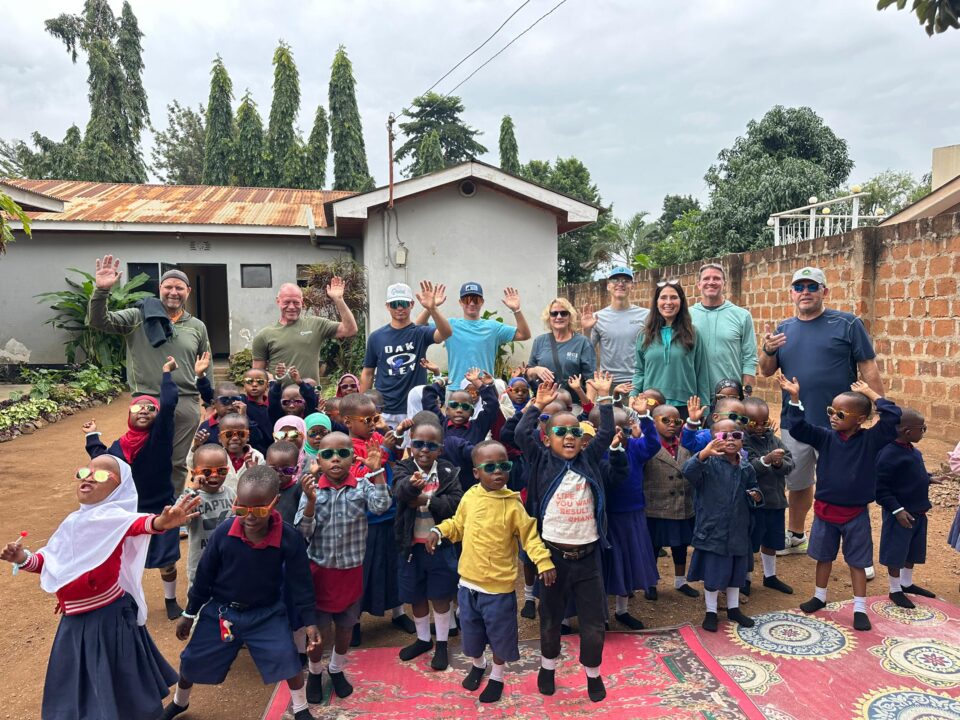
Orphan support Africa must begin with clear facts. Orphans Tanzania and vulnerable children often live with relatives or in informal care after the loss of one or both parents. Some have living parents who cannot provide safety or daily needs because of poverty, illness, or other pressures. In all cases the child needs steady support.
When that support is missing, children at risk Tanzania face interrupted schooling, poor nutrition, and limited protection. The effects can last into adult life. Therefore early, practical orphan support Africa matters.
Zara Tanzania Charity works with community-based approaches that keep children in safe, familiar settings wherever possible. You can learn about the organisation on our about us page and meet the vision behind the work on the our founder page. Global guidance on children without adequate care is available from UNICEF Child Protection.
Stop 02
Vulnerable Children and Orphan Support Africa Needs
The term covers several groups. Children who have lost both parents are orphans. Others have lost one parent and live with a remaining parent or relative under strain. Still others have both parents living yet face neglect, violence, or extreme poverty that puts them at risk.
In rural and peri-urban areas the numbers are significant. Extended families have traditionally absorbed children in need. When those families are already stretched, the arrangement can break down.
Vulnerable children Tanzania therefore include more than those who have lost parents. The common thread is the lack of reliable adult care, protection, and support for education and health.
Understanding this wider group helps programs respond to real need rather than a narrow label.
Some children move between relatives. Others stay in one place but with caregivers who have many mouths to feed. Stability of place and of daily routine both matter for a child’s sense of safety.
Programs that assess each situation carefully avoid one-size-fits-all responses. A child with a committed relative needs different support from a child with no safe adult nearby.
Stop 03
Challenges Orphans Tanzania Children Face
School is often the first casualty. Fees, uniforms, and materials may be unaffordable. Attendance becomes irregular. Some children leave school entirely to work or care for siblings.
Nutrition suffers next. A child without a steady caregiver may eat less often and less well. Hunger affects concentration and health.
Protection is harder to guarantee. Without consistent adult oversight, children are more exposed to exploitation and unsafe situations. Emotional support also declines when grief or instability goes unaddressed.
These challenges stack. A child who misses school and meals is less able to claim other forms of help. Early intervention breaks the stack before it hardens.
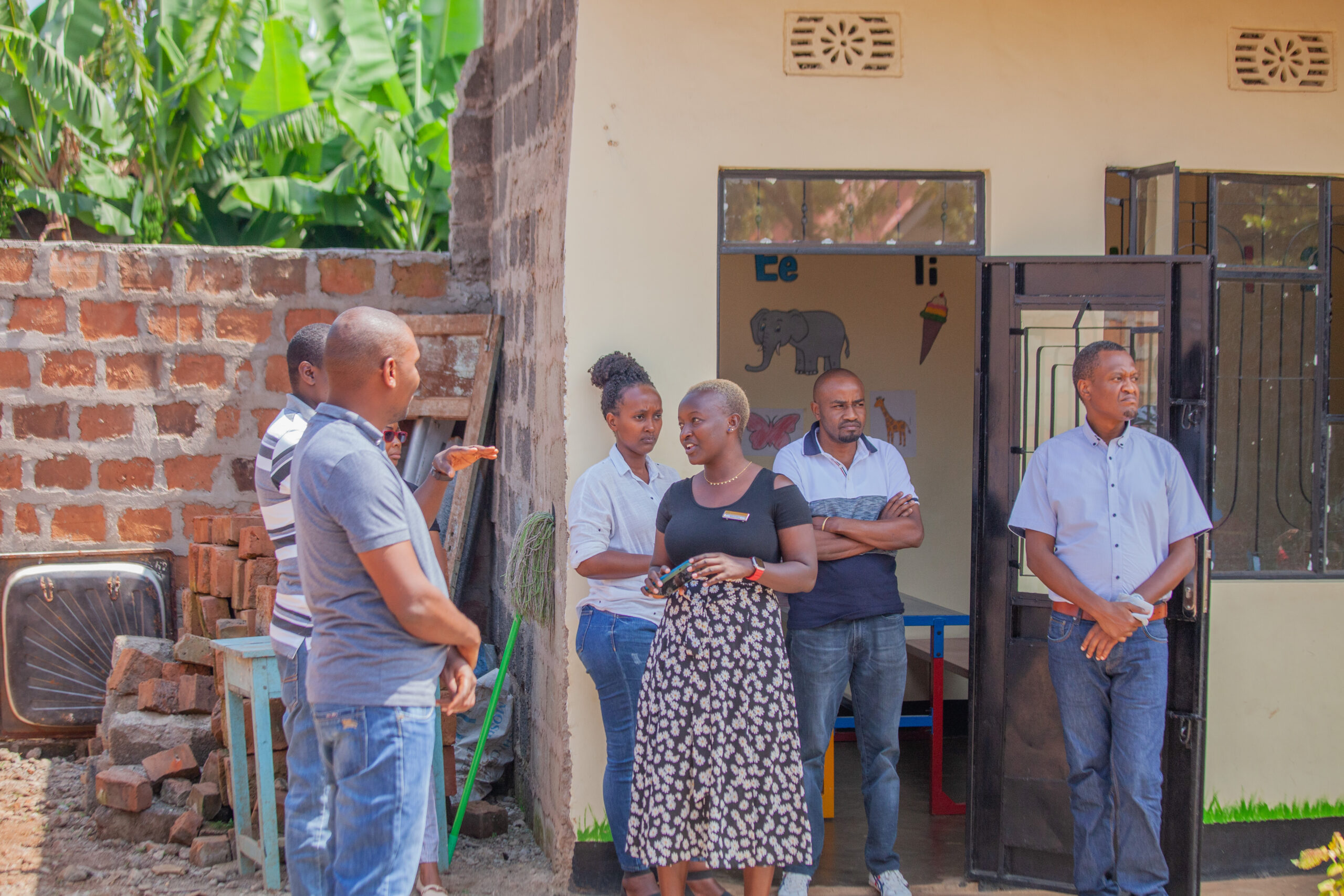
Teachers are often the first to notice when a child starts missing school or arriving hungry. Links between schools and community support workers help problems surface early. That connection is a quiet but powerful part of effective care.
Stop 04
Risks When Support Is Missing
Without steady care, children at risk Tanzania can fall into informal labour, street situations, or unstable housing. Girls face particular risks around early marriage and exploitation. Boys may be drawn into unsafe work.
Long-term effects include lower education levels, poorer health, and reduced ability to earn a stable living as adults. The cycle of vulnerability can pass to the next generation.
This is why effective orphan support Africa efforts that focus only on short-term relief miss part of the need. Children also require pathways into education, skills, and lasting adult relationships.
Community-based models aim to provide those pathways while keeping children connected to their culture and, where safe, to extended family.
International guidance has shifted strongly toward family-based and community-based care. Large institutions are now seen as a last resort. See also resources from the Better Care Network on family-based approaches. Local programs that follow this direction align with best practice while remaining rooted in Tanzanian realities.
Stop 05
Community-Based Orphan Support Africa in Practice
Evidence and field experience favour care that keeps children in families and communities when it is safe to do so. Large institutional settings can struggle to provide individual attention and lasting bonds.
Community-based support may include help for foster or kinship carers, school fees, meals, counselling, and regular check-ins by trained local staff. The child remains in a familiar environment. The caregiver receives practical backing.
This approach respects dignity. It treats the child as a person with relationships rather than a case to be housed. It also tends to be more sustainable because it builds on existing social structures.
Current projects that follow this thinking are described on our projects page.
Stop 06
Education and Daily Needs
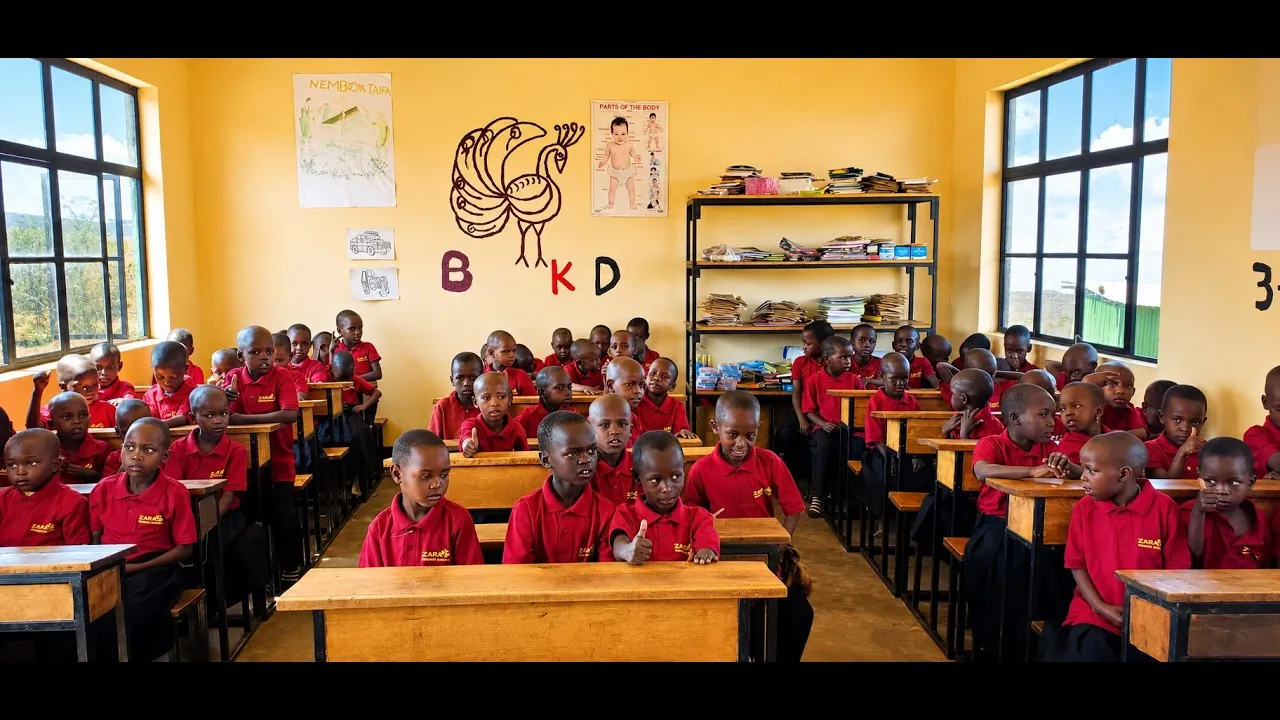
School is one of the strongest protective factors for vulnerable children Tanzania. Regular attendance keeps children in contact with adults who notice problems. It also builds skills that open future options.
Support for fees, uniforms, and materials removes a major barrier. Meals at school or through care programs address hunger that otherwise blocks learning.
Health needs matter too. Basic medical care, vaccinations, and attention to chronic conditions prevent small problems from becoming crises. Emotional support helps children process loss and instability.
When these elements work together, a child has a realistic chance of staying in school and moving toward a more secure adulthood.
Success is measured in ordinary things: regular attendance, improved weight, a caregiver who feels less alone. Dramatic stories are rare. Steady progress is the real indicator that support is working.
Stop 07
What Effective Orphan Support Africa Looks Like
Practical, consistent support outperforms one-off gestures. Covering school costs term after term keeps a child enrolled. Regular meals improve attendance and focus. Trained local workers who know the families can spot problems early.
Sponsorship models that link a donor to ongoing needs can provide that consistency. Strong orphan support Africa programs make the link transparent. The key is transparency and a clear link between the gift and the child’s education, care, or both.
Programs that listen to caregivers and older children themselves tend to design better responses. Local knowledge reveals which barriers matter most in each setting.
You can read common questions about how support works in our FAQs.
Stop 08
How You Can Provide Orphan Support Africa
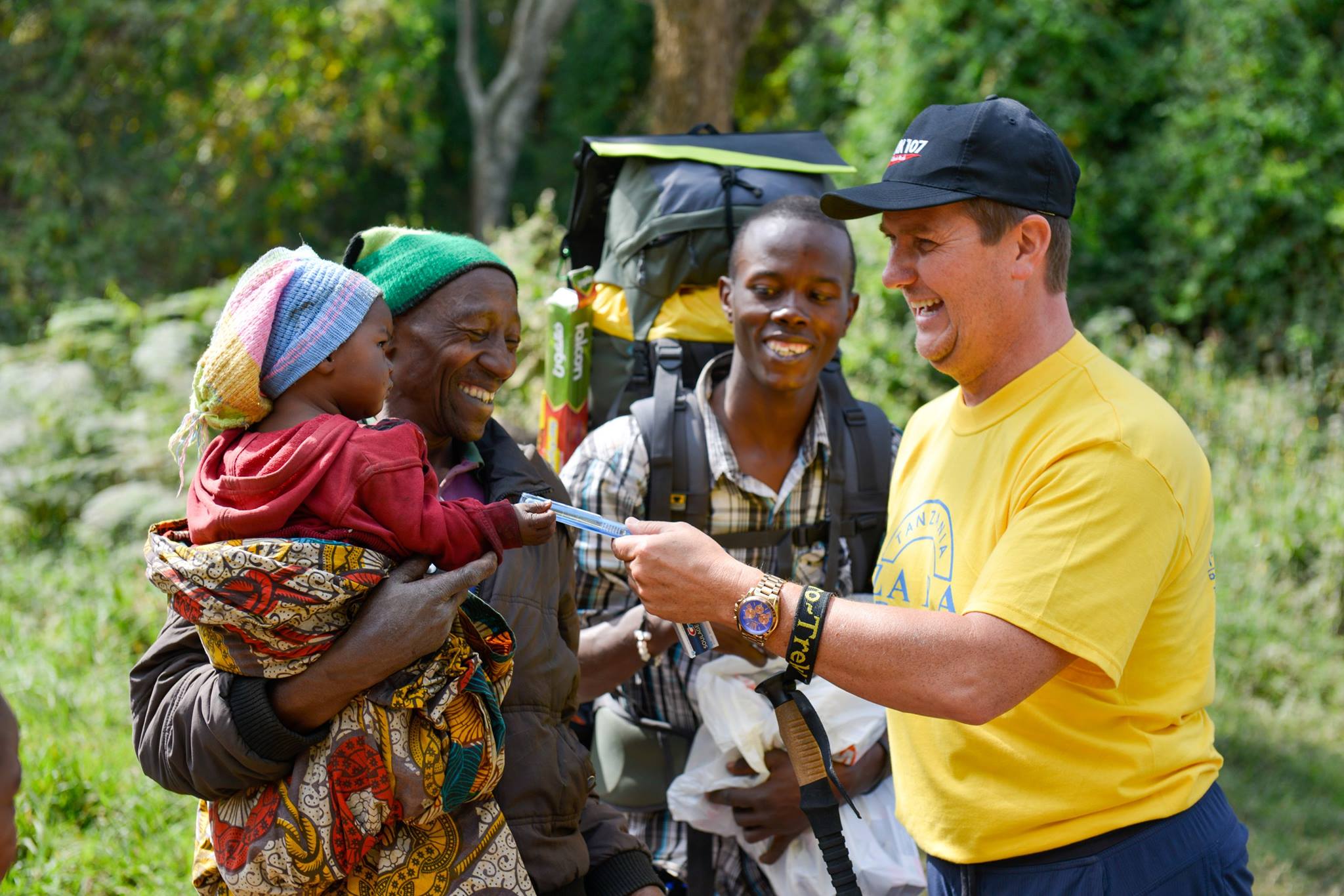
Donations and sponsorships fund school fees, meals, materials, and the local staff who deliver care. They also support training for caregivers and community workers.
Even modest regular gifts create predictability. That reliability is the core of good orphan support Africa. A child who knows the next term’s fees are covered can focus on learning rather than on whether school will continue.
If you want to discuss a specific form of help, use the contact us page. The team can explain current needs and how gifts are applied.
Sharing accurate information also helps. Many people outside Tanzania are unaware of the daily pressures facing children at risk. Clear, respectful stories open doors for further support.
Stop 09
Orphan Support Africa FAQs
What happens to orphaned children in Tanzania without support?
They often live with extended family under strain. When that fails, risks include interrupted schooling, poor nutrition, and reduced protection.
Is community-based care better than orphanages?
In most cases yes, when it is safe and well supported. Children benefit from family-like relationships and familiar environments.
How does sponsorship help?
Regular sponsorship can cover school costs, meals, and materials. Consistency is what keeps a child enrolled and supported over time.
Are the children treated with dignity?
Ethical programs prioritise dignity in language, imagery, and care. Children are not presented as objects of pity but as people with potential.
Where can I learn about current projects?
Visit the projects page or read the FAQs for clear answers.
Stop 10 · Take Action
Support Vulnerable Children — Donate or Sponsor
Orphans Tanzania and other vulnerable children need steady, practical support. Your gift helps keep a child in school, fed, and safe within a community setting. Join the work today.